The humble baking soda trick many home cooks only use for cookies
A short kitchen guide is drawing attention for showing how sodium bicarbonate can do more than sit in the pantry until dessert night.
Most people keep baking soda near the flour, reach for it when a recipe demands it, and then forget about it. But in cooking, sodium bicarbonate is not just a baking ingredient. Used correctly and sparingly, it can change texture, balance acidity, and make certain everyday prep tasks easier.
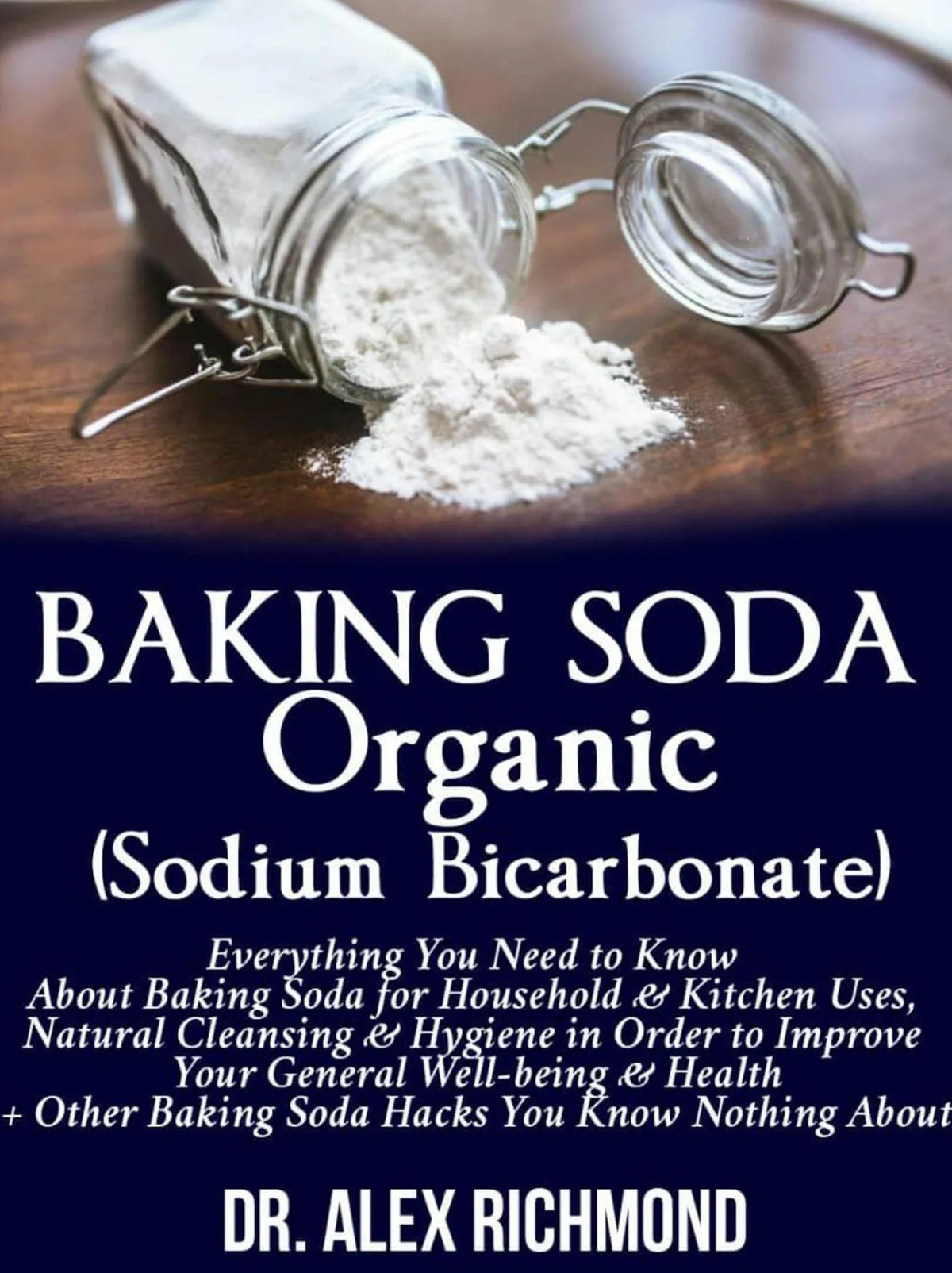
That is why the eBook Baking Soda Organic (Sodium Bicarbonate) by Alex Richmond has become an interesting find for readers who want a simple, practical reference. According to the retailer’s own listing, the guide covers household and kitchen uses, natural cleansing, hygiene, and other baking soda hacks.
Why cooks care about baking soda
Baking soda is alkaline. In plain kitchen terms, that means it reacts with acids, affects browning, and can soften certain foods when used in small, measured amounts. It is not glamorous. It is just useful.
- Better lift in baked goods: When a recipe includes acidic ingredients such as buttermilk, yogurt, lemon, vinegar, or brown sugar, baking soda helps create carbon dioxide bubbles for a lighter crumb.
- Texture support for beans and legumes: A tiny amount in soaking or cooking water can help soften chickpeas, beans, or lentils more quickly. It should be measured carefully because too much can affect flavor.
- Acidity balance: A small pinch can soften the sharp edge of overly acidic tomato sauces or fruit preparations, reducing the need to add extra sugar.
- Browning and crisping: Because alkalinity changes surface pH, baking soda can help browning in specific preparations, including some roasted vegetables and crisp coatings.
The bigger lesson: simple ingredients still need instructions
The appeal of a baking soda guide is not that it turns one pantry item into a miracle. It is that many small kitchen improvements come from understanding why an ingredient works.
A pinch can rescue a harsh sauce. A measured amount can help chickpeas soften for smoother hummus. The correct ratio can decide whether muffins rise nicely or taste soapy. Those details are easy to overlook when the ingredient costs pennies and sits in a box.
What the guide covers
The Barnes & Noble listing presents Baking Soda Organic (Sodium Bicarbonate) as an eBook focused on practical ways to use sodium bicarbonate for kitchen, household, cleansing, hygiene, and general well-being routines. That description comes from the retailer’s product page, not from Purelly Wellness.
For food-focused readers, the useful part is having one concise place to review how baking soda behaves in recipes and where it makes sense to use it. It is a small guide, not a complicated cookbook, which is part of the attraction.
Who it is for
This guide fits people who like practical home references: cooks who want better control over texture and acidity, readers who enjoy old-school pantry know-how, and anyone who has wondered why recipes call for baking soda instead of baking powder.
It is especially useful if you prefer simple explanations and quick applications over long culinary textbooks.
See the short guide
Review the product details, format, and current availability before buying.
Continue to Product PageThis is a paid advertisement published by Purelly Wellness. It is not a news article, an editorial review, or an impartial product review. Purelly Wellness is an independent advertiser and is not affiliated with, endorsed by, or sponsored by Barnes & Noble. Product details, format, and availability should be confirmed on the retailer’s page before purchase. This content is informational only and is not medical advice.